UNESCO Hybrid Dialogue · Online & In-person

UNESCO International Arts Education Week in Africa

(Openness · Heritage · Innovation)

The Digital Future of Cultural and Arts Education in Africa — exploring how digital technologies and Open Educational Resources (OER) can support the preservation, transmission, and accessibility of Africa's cultural and artistic heritage.

Date27 May 2026
FormatHybrid (Monrovia, Liberia)
LanguageEnglish
ParticipationFree Registration
11:00–13:00 CET / 09:00–11:00 GMT / 17:00–19:00 CST
Overview

A Platform for Africa's Cultural and Educational Dialogue

This proposal presents a regional dialogue to be convened during UNESCO International Arts Education Week 2026 under the theme: "Openness · Heritage · Innovation: The Digital Future of Cultural and Arts Education in Africa."

The dialogue is intended as a platform for exchange among stakeholders from academia, public institutions, cultural sectors, and youth communities. It will explore how Open Educational Resources (OER) may support the preservation, accessibility, and transmission of cultural and artistic knowledge in the African context.

In alignment with the Sustainable Development Goals, particularly SDG 4 (Quality Education) and SDG 17 (Partnerships for the Goals), the event will examine approaches to strengthening cooperation, enhancing access to cultural learning resources, and encouraging inclusive participation in arts education.

The dialogue is also positioned to contribute, in a modest and practical manner, to ongoing international discussions on the implementation of UNESCO's frameworks related to culture and arts education, as well as the 2019 UNESCO Recommendation on Open Educational Resources (OER).

Purpose

The conference aims to strengthen academic exchange and collaborative innovation between young scientists from China and Central Asia, while encouraging long-term cooperation in areas of shared regional importance. In the African context, this translates to fostering dialogue on how digital and open approaches may assist in the preservation and dissemination of indigenous cultural expressions.

Dialogue Model

The event will be conducted in a hybrid format (in-person and online), enabling broad participation across Africa. High-level policy and academic dialogue, expert presentations, and youth exchange sessions will be featured. The format enables wide African engagement through both in-person attendance in Monrovia and online participation.

Organisers

Organisers

AOU Africa Open University (AOU)
LAS Liberia Academy of Sciences (LAS)
GYDCA Global Youth Dialogue Among Civilizations Alliance (GYDCA)
IAOA International Academic Organizations Alliance (IAOA)
Partners

Partners

UNESCO — Liberian National Commission for UNESCO
College of Engineering, China Agricultural University
Zhejiang Torch Center
Service Platform for International Professionals
Objectives

Event Objectives

The event aims to achieve the following goals in alignment with UNESCO frameworks and the Sustainable Development Goals.

Facilitate Knowledge Exchange

Provide a platform for sharing experiences on the use of OER in cultural and arts education.

Support Cultural Transmission

Explore ways in which digital and open approaches may assist in the preservation and dissemination of indigenous cultural expressions.

Encourage Youth Engagement

Promote opportunities for youth participation in cultural and educational activities, including digital and creative practices.

Strengthen Partnerships

Encourage dialogue and potential collaboration among institutions in Africa and beyond, in line with SDG 17.

Programme

Event Schedule

27 May 2026 — Main presentations (10–20 minutes each). All times are approximate and subject to adjustment.

Time (GMT) Time (CET) Time (CST) Session
09:00–09:1011:00–11:1017:00–17:10Opening RemarksDr. Emmanuel Fred — Introducing the Global Training Certification (GTC) and UNESCO-supported programs
09:10–09:2511:10–11:2517:10–17:25Keynote PresentationDr. Emmanuel Fred
09:25–09:4011:25–11:4017:25–17:40PresentationAtty. Samuel G. Williams
09:40–09:5511:40–11:5517:40–17:55PresentationDr. V. Marshall Sambolla
09:55–10:1011:55–12:1017:55–18:10PresentationDr. Girma Andualem Anteneh
10:10–10:2512:10–12:2518:10–18:25PresentationMr. Stephen A. Essien
10:25–10:4012:25–12:4018:25–18:40PresentationDr. Clinton Mutali Lichuma
10:40–10:5512:40–12:5518:40–18:55PresentationMr. J. Rufus Paul
10:55–11:0012:55–13:0018:55–19:00Closing Remarks & Communiqué

Participants: 150 academics (PhD and Master's students), research fellows, and government representatives from Liberia, Kenya, Nigeria, South Africa, Ghana, Senegal, Rwanda, and other countries.

Featured Speakers

Key Speakers

The dialogue will feature high-level speakers from government, academia, and international organisations across Africa, as well as speakers and experts from across the world.

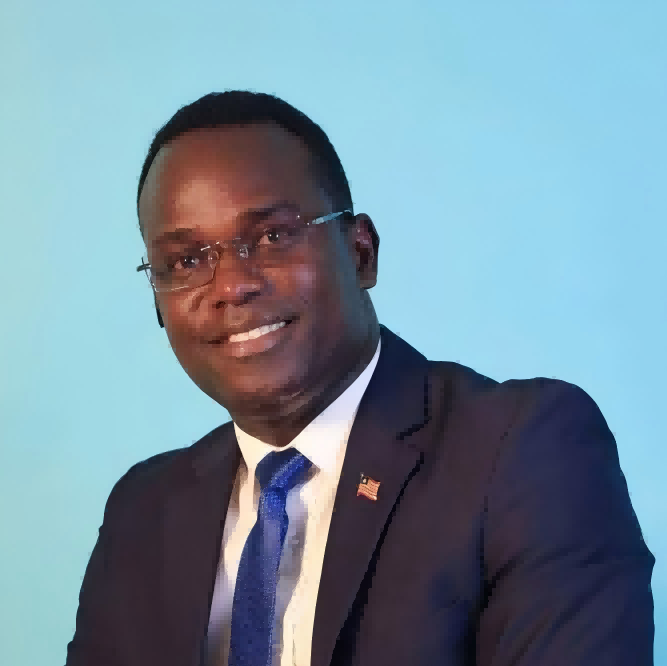
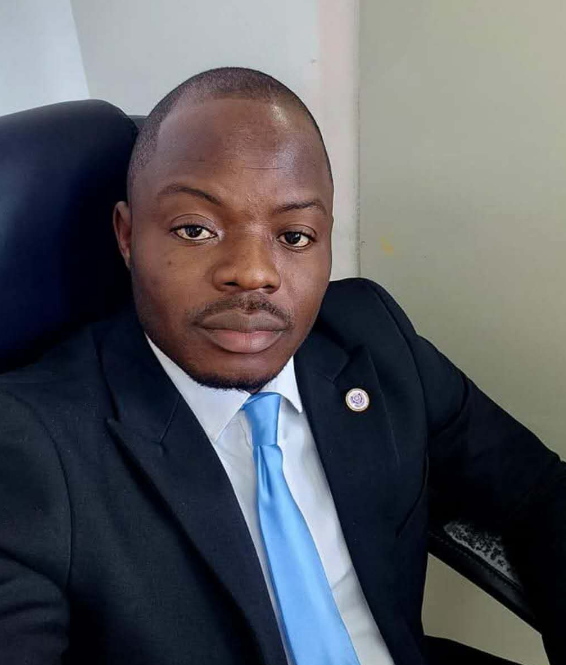
Dr. Emmanuel Fred
Dr. Emmanuel Fred

President of the Liberia Academy of Sciences; Board Chairman, Africa Open University; Assistant Minister for Operations, Ministry of Post and Telecommunications, Liberia

Atty. Samuel G. Williams

Secretary General, Liberian National Commission for UNESCO

Mr. V. Marshall Sambolla

Assistant Minister for Administration, Ministry of Post and Telecommunications, Republic of Liberia, and 2nd Vice President, Africa Open University

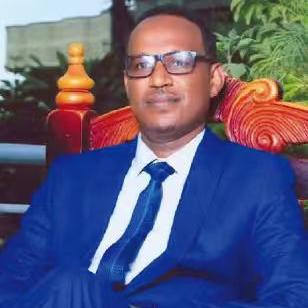
Dr. Girma Anteneh
Dr. Girma Andualem Anteneh

Chief Prosecutor & Director, Anti-Corruption Commission, Ethiopia

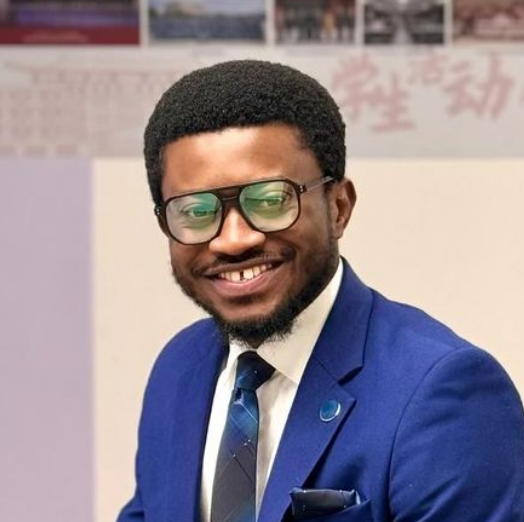
Mr. Stephen A. Essien

Policy Specialist, Office of the former Interior Minister on Youth and Development, Republic of Ghana

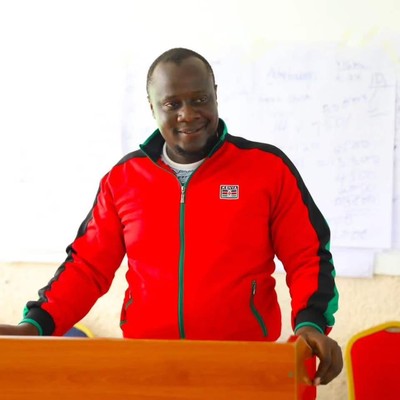
Dr. Clinton Lichuma
Dr. Clinton Mutali Lichuma

Youth Advisor, Office of the President, Kenya

Mr. J. Rufus Paul
Mr. J. Rufus Paul

Assistant Minister, Technical Services, Ministry of Information, Cultural Affairs, and Tourism, Liberia

Expected Outcomes

Anticipated Results

The event is expected to produce the following outcomes and deliverables.

Policy Recommendations

Concrete proposals for integrating OER into cultural education systems.

Regional Partnerships

Strengthened networks among African governments, universities, and cultural institutions.

Capacity Building

Enhanced teacher training and youth engagement in cultural innovation.

Communiqué

A post-event communiqué summarizing outcomes and action points for regional implementation, to be submitted to UNESCO for follow-up.

Participation

Participation & Coordination

The event will be conducted in a hybrid format (in-person and online), enabling broad participation across Africa. Coordination will involve:

Government Ministries

Ministries of culture and education across eight African countries (South, East, and West).

Universities and Research Institutions

Academic institutions contributing to cultural and arts education research and practice.

Cultural Practitioners and Youth Organizations

Practitioners and youth groups engaged in cultural preservation and creative practices.

NGOs and International NGOs

Non-governmental organizations supporting culture, education, and development in Africa.

Registration

Register to Participate

Join the hybrid dialogue on cultural and arts education in Africa. Registration is free for all participants.

Audience Registration

For participants who wish to attend the hybrid dialogue, join discussions, and receive event updates.

  • Free participation
  • Zoom access after registration review
  • E-certificate for eligible participants

If you have any questions about registration, please do not hesitate to contact us at any time.
Contact: Marshall, +231886514888

Compliance

Event and Ethical Statement

This dialogue is a non-profit academic and cultural activity conducted in compliance with applicable regulations and academic ethics. The event focuses solely on scholarly exchange, cultural dialogue, and professional discussion in alignment with UNESCO frameworks.

Strategic Significance

Strategic Significance

This dialogue positions Africa at the forefront of global conversations on culture and education. By integrating OER with cultural and artistic practices, the event will:

Strengthen Africa's intellectual sovereignty in cultural education.

Provide UNESCO with a replicable model for regional cultural-education integration.

Advance Africa's role in shaping global cultural sustainability and innovation.

Conclusion

This dialogue is conceived as a collaborative and exploratory initiative that brings together diverse perspectives on cultural and arts education in Africa. By focusing on openness, heritage, and innovation, it aims to encourage practical exchange and mutual learning among stakeholders.

It is expected that the event will provide a constructive platform for dialogue, while contributing to broader reflections on the role of education and culture in sustainable development.